Clearer Skin & Better Confidence with Expert Acne Treatment
Our acne assessment and treatment service goes beyond treating spots, offering personalised care to improve skin clarity, reduce scarring, and support long-term skin health, helping you feel more confident in your skin.
What is Acne?
Acne is a very common skin condition that develops when hair follicles become blocked with oil and dead skin cells. This can lead to a range of skin changes including blackheads, whiteheads, inflamed spots, and in some cases deeper cysts or nodules.
Although acne is most often associated with adolescence and hormonal changes, it can affect adults as well, particularly women.
Types of Acne
Acne can present in different ways, including:
- Blackheads – open pores blocked with oil and skin cells
- Whiteheads – closed, flesh-coloured bumps
- Papules – small, red, inflamed spots
- Pustules – spots containing visible pus
- Nodules and cysts – deeper, more severe lesions
Understanding the type and severity of acne helps guide the most appropriate treatment plan.
Treatment Options
Treatment is tailored to the individual and may include a combination of the following:
- Skincare advice – guidance on cleansing, moisturising, and sun protection
- Topical treatments – creams or gels such as retinoids, benzoyl peroxide, azelaic acid, or salicylic acid
- Oral antibiotics – for moderate or inflammatory acne
- Hormonal treatments – where appropriate, particularly in women
- Specialist treatments – for more persistent or severe acne
Our aim is to provide effective, evidence-based care while minimising the risk of scarring.
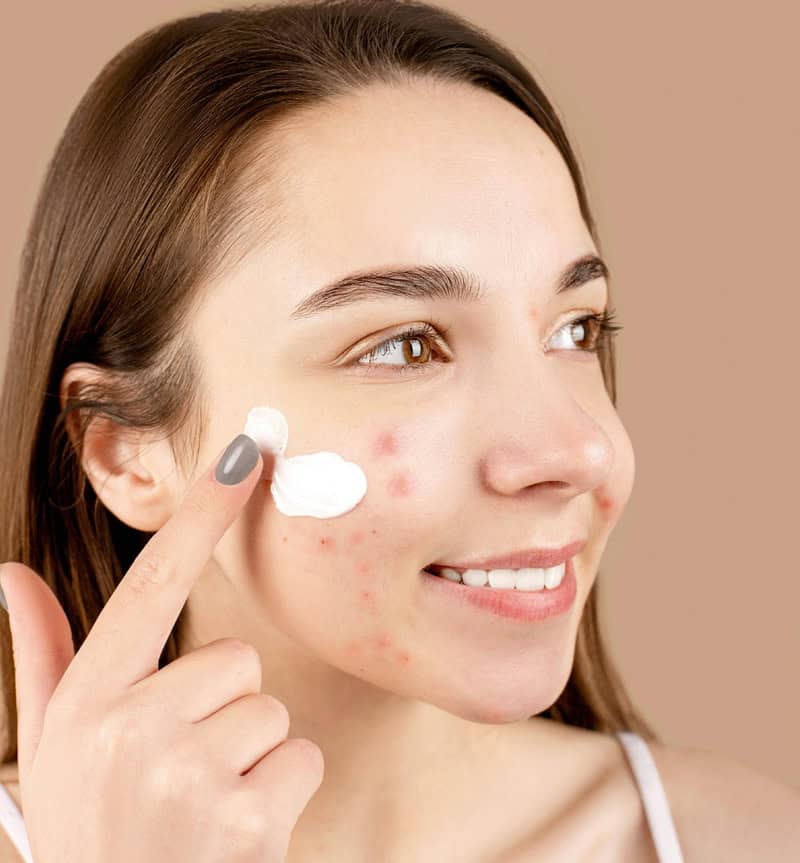
What results to expect with Isotretinoin (Roaccutane/Accutane) Acne Treatment?
For severe or treatment-resistant acne, isotretinoin may be considered. This is a highly effective medication that is prescribed following a detailed clinical assessment where we discuss any side effects, pregnancy risks, and blood testing.
Before starting treatment, we will:
✓ Review your medical and treatment history
✓ Discuss potential side effects
✓ Assess suitability, including mental health considerations
✓ Arrange appropriate blood tests
What Our Patients Say
“Excellent practice, with friendly staff prepared to take the necessary time with patients. Highly recommended.”
Osh Gantly
Treatment Duration
A typical course lasts 5 to 9 months, depending on your individual response and tolerance.
Monitoring
Regular follow-up appointments are essential to:
✓ Monitor progress and response
✓ Check blood test results
✓ Manage any side effects safely
Strict safety measures are required for patients who may become pregnant during treatment. This includes enrolment in a Pregnancy Prevention Programme and regular monitoring.

Ready for clearer skin?
Schedule your acne treatment today
Your Acne Treatment Questions Answered
What happens during your acne consultation?
Your acne consultation provides time to review your medical history, discuss your skin concerns, and assess your acne in detail. We will examine your skin and talk through suitable acne treatment options based on the severity and type of acne.
If isotretinoin treatment is being considered, recent blood test results (including liver function and lipid profile) are helpful. You can bring these with you or arrange testing as part of your care.
What is the most effective acne treatment?
The most effective acne treatment depends on the severity and type of acne. Mild acne may respond well to topical treatments, while moderate to severe acne often requires prescription medications such as oral antibiotics or isotretinoin. A personalised treatment plan is the most effective approach.
What blood tests are required for isotretinoin treatment?
Before starting isotretinoin treatment, a blood test is required to check liver function and cholesterol levels (lipid profile). These tests are usually repeated after 8–12 weeks to ensure the treatment remains safe and appropriate.
How long does acne treatment take to work?
Most acne treatments take 4 to 8 weeks before noticeable improvement is seen. In some cases, it can take several months for acne to fully settle, particularly with more persistent or hormonal acne.
Can acne be cured permanently?
Acne can often be well controlled and, in some cases, cleared long-term. Treatments such as isotretinoin can lead to prolonged or permanent improvement for some patients, although others may require ongoing management.
What causes acne?
Acne develops due to a combination of factors including:
- Excess oil (sebum) production
- Blocked pores
- Bacteria on the skin
- Inflammation
Hormones, genetics, stress, and certain skincare products can also contribute.
Do I need prescription acne treatment?
If over-the-counter products are not improving your skin after several weeks, prescription acne treatment may be needed. Medical treatment can help prevent scarring and improve long-term outcomes.
Do I need contraception during isotretinoin treatment?
If there is a possibility of pregnancy, strict precautions are required during isotretinoin treatment. This includes participation in a Pregnancy Prevention Programme, regular pregnancy testing, and the use of effective contraception before, during, and for one month after treatment.
What is the Pregnancy Prevention Programme (PPP)?
The Pregnancy Prevention Programme is a safety process required for patients who could become pregnant while taking isotretinoin. It involves confirming that you are not pregnant before starting treatment, using reliable contraception, and completing regular pregnancy tests throughout the course and for one month after finishing treatment.
Does acne treatment prevent scarring?
Early and appropriate acne treatment significantly reduces the risk of permanent scarring. More severe acne should be treated promptly to minimise long-term skin damage.
Is isotretinoin the best treatment for severe acne?
Isotretinoin is considered one of the most effective treatments for severe or treatment-resistant acne, as it targets multiple causes of acne at once. It is usually prescribed when other treatments have not been successful.
Can acne get worse before it gets better?
Yes, some acne treatments, particularly isotretinoin—can cause a temporary flare-up before improvement is seen. This is a normal part of the treatment process.
Is acne treatment safe?
Most acne treatments are safe when prescribed and monitored by a GP. Some medications require regular review to monitor for side effects and ensure the treatment remains appropriate.
Does diet affect acne?
Diet may play a role for some individuals. High sugar diets and certain dairy products have been linked to acne in some cases, although this varies from person to person.
When should I see a GP for acne treatment?
You should consider seeing a GP if:
- Acne is persistent or worsening
- Over-the-counter treatments are not working
- You are developing scarring
- Acne is affecting your confidence or wellbeing
Can stress make acne worse?
Stress can contribute to acne by increasing hormone levels that stimulate oil production, which may lead to more frequent breakouts.
What acne treatment is best for teenagers?
Teenage acne treatment often includes topical treatments and, where needed, oral medications. Early treatment can help control symptoms and reduce the risk of scarring.